
Last updated August 27, 2026
Free in-home measure and quote - PGT, CGI and CWS impact lines compared on your actual openings, style by style
Sliding glass doors
Impact garage doorsPGTCGI
 Before
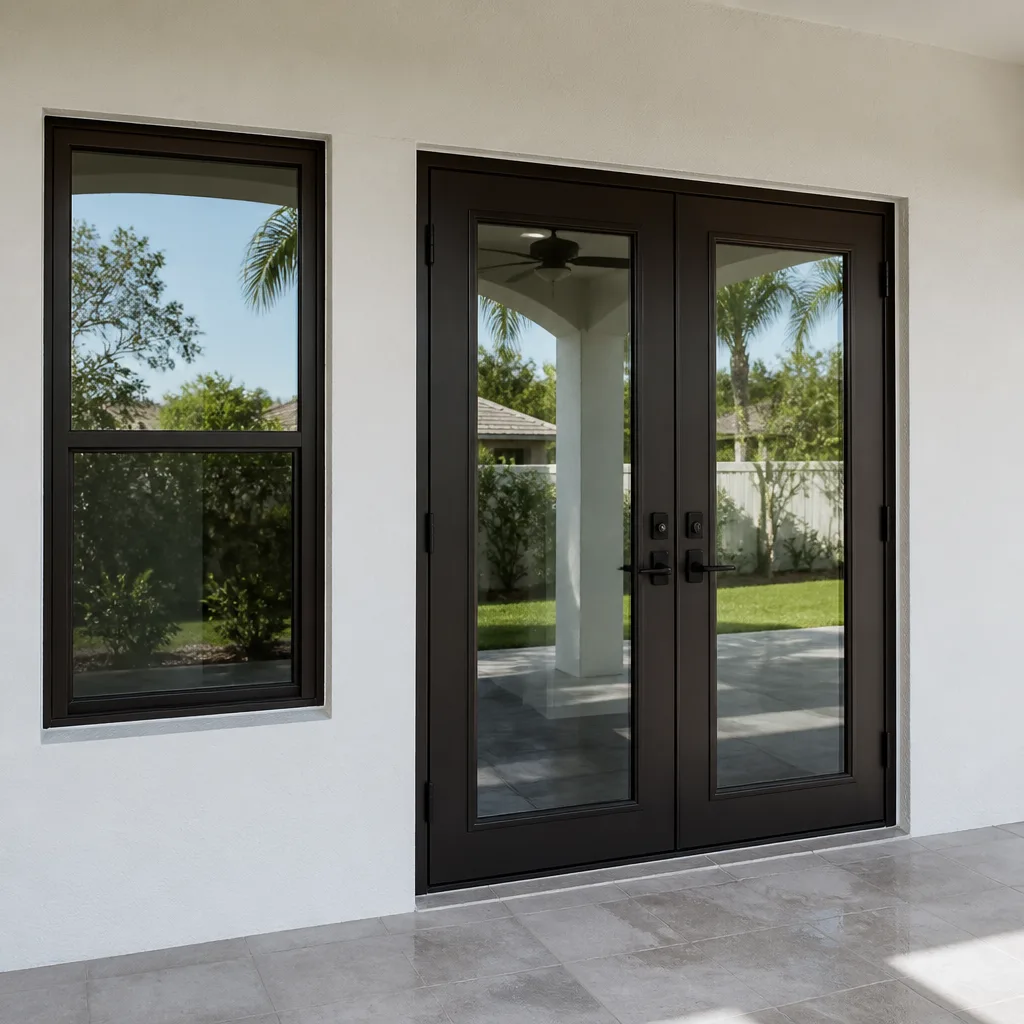 After
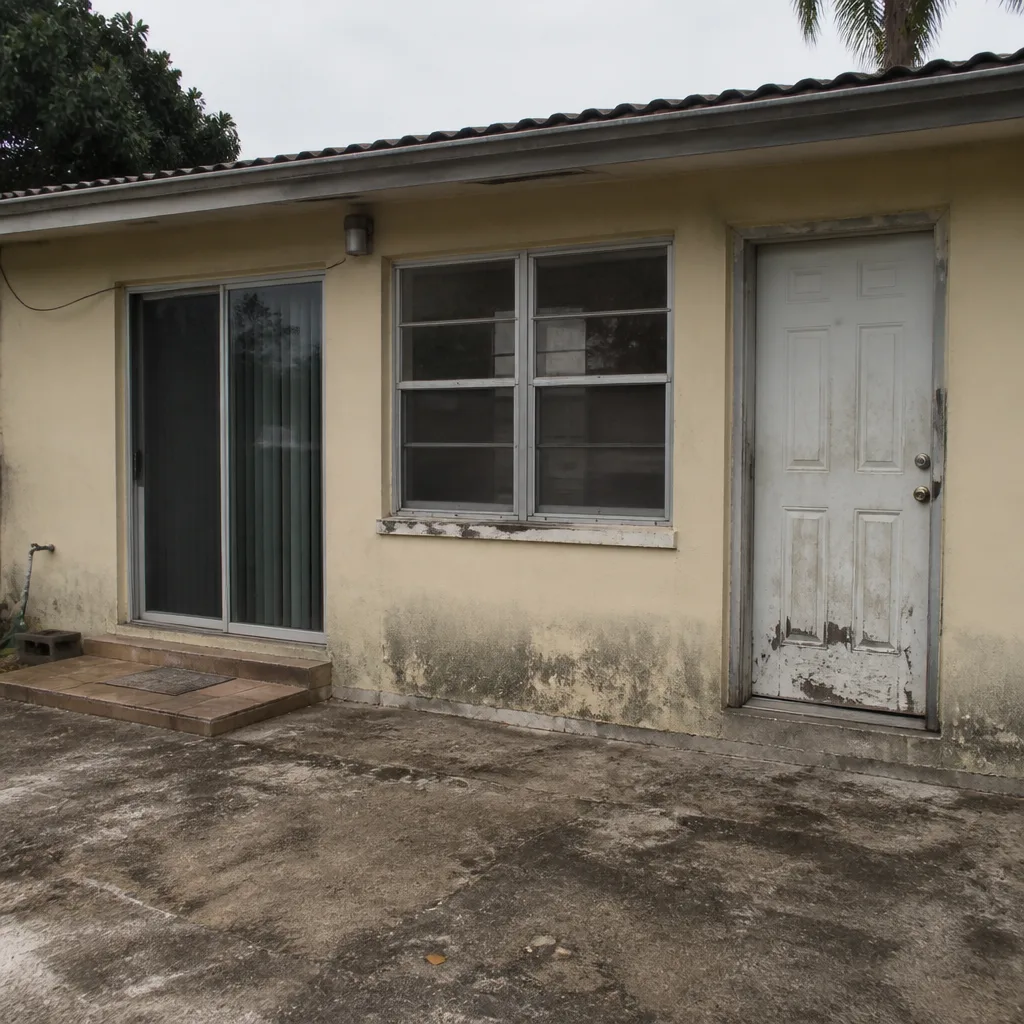 Before
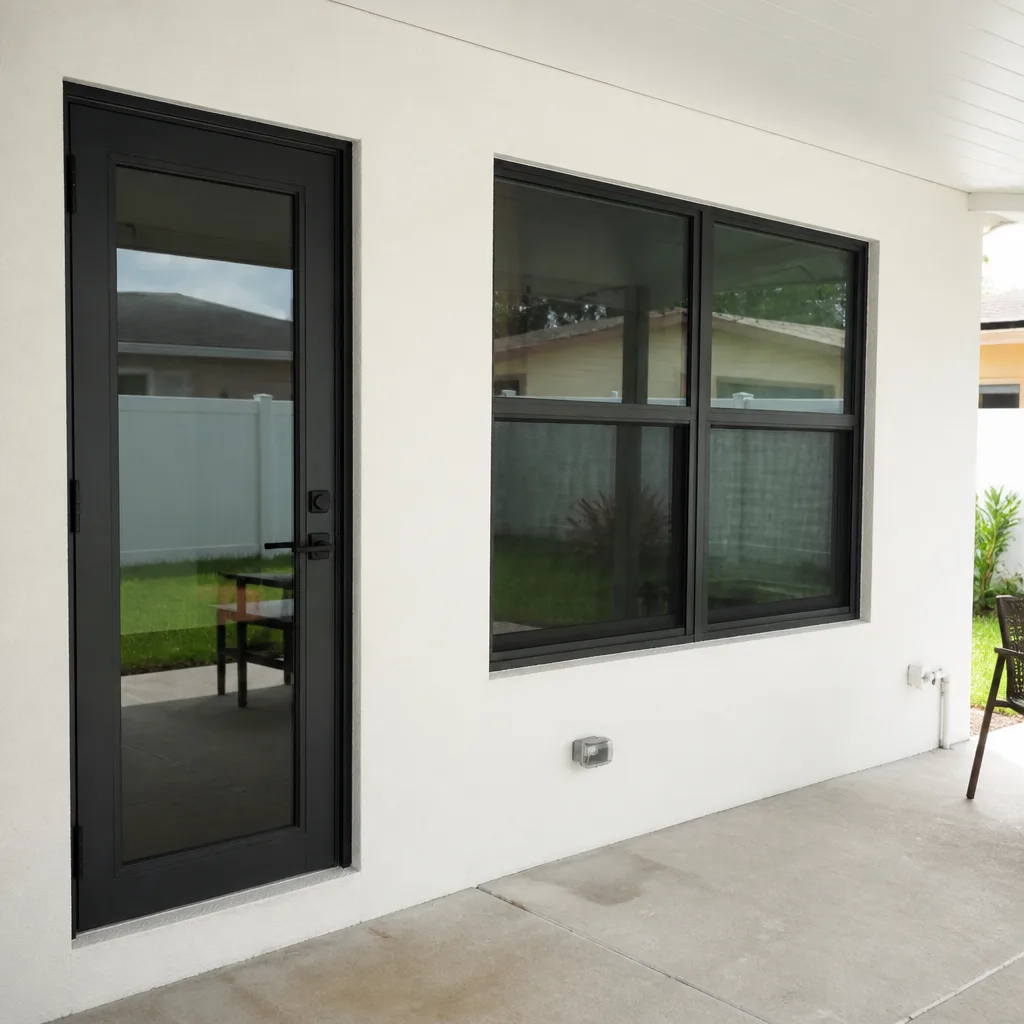 After
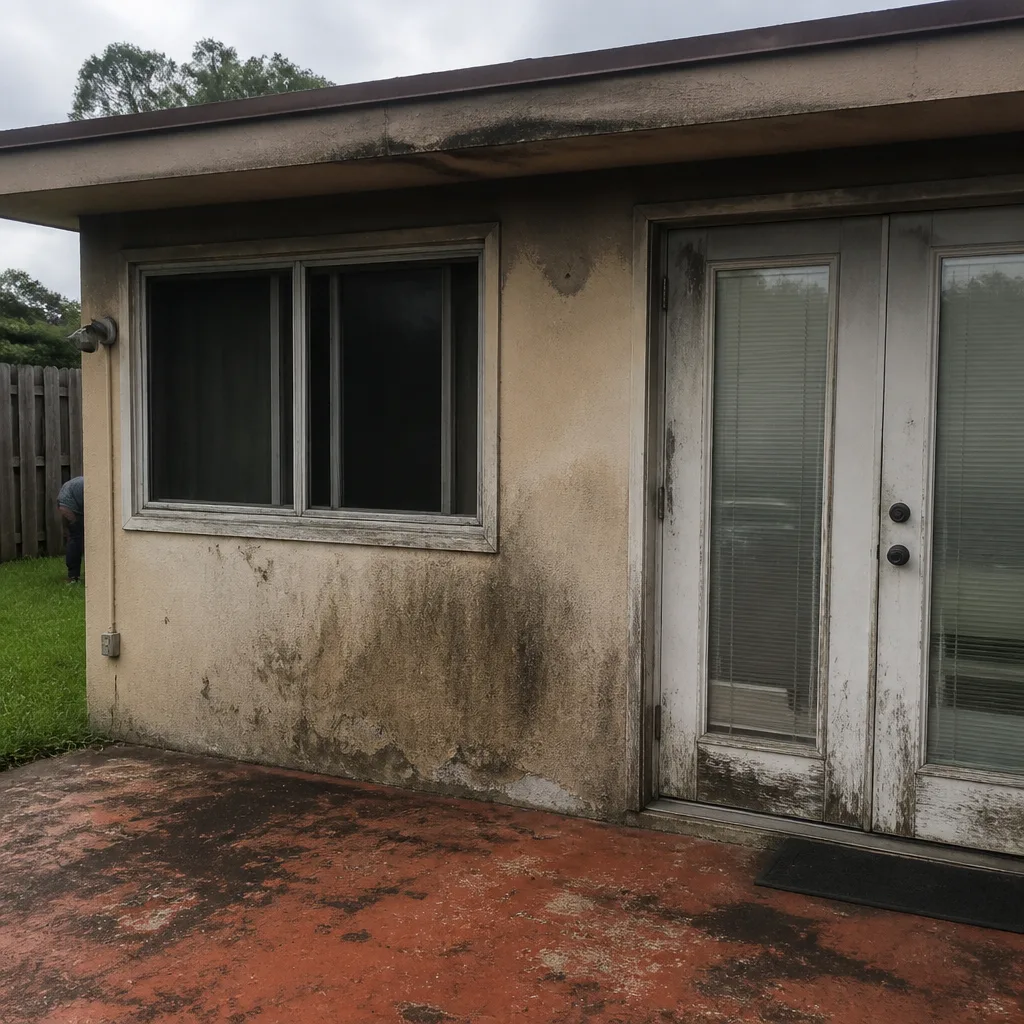 Before
 After
Seasonal Windows & Doors Care for Miami Gardens: Year-Round Homeowner’s Guide
Most homeowners in Miami Gardens replace their windows and doors about fifteen years before they should have to. Not because the products failed, but because nobody ever told them that a $12 tube of sealant applied in March would have prevented the frame rot that spread through the jamb by August. This guide exists to change that math. You’ll learn exactly what your windows and doors need each season in this specific climate, which maintenance tasks actually matter and which are wasted effort, what things cost in the Miami Gardens market, and when a problem has moved beyond what any homeowner should attempt. By the time you finish, you’ll have a working maintenance calendar that can add a decade or more to the life of your windows and doors, and you’ll know which warning signs mean it’s time to call a professional before a $200 repair becomes a $2,000 replacement.
Quick Answer
Windows and doors in Miami Gardens need seasonal attention in four areas: weatherstripping and sealant inspection, track and roller cleaning, glass and frame washing, and hardware tightening and lubrication. In this subtropical climate, the two highest-stakes tasks are checking seals before the May-to-October rainy season and clearing drainage weep holes before the summer afternoon downpours. Homeowners who perform a ninety-minute seasonal inspection four times a year typically avoid about 80% of the water damage and binding-door problems we get called for in this city.
Table of Contents
- Spring Prep: Getting Ready for Hurricane Season
- Summer: Heat, Humidity, and the Daily Downpour
- Fall: The Window-Cleaning Season Miami Gardens Actually Has
- Winter: The Mild Season That Still Tests Your Seals
- Impact Windows and Doors: Seasonal Care Is Different Here
- What Seasonal Maintenance and Repairs Cost in Miami Gardens
- Common Mistakes to Avoid
- When to Call a Professional
- Frequently Asked Questions
- The Bottom Line
Spring Prep: Getting Ready for Hurricane Season
Late April and early May in Miami Gardens are when the first strong thunderstorms start rolling through, and this is the window when your exterior seals earn their keep. The sealant around window frames, door thresholds, and glass-to-frame joints takes a beating from the wet-dry-wet cycle of spring. When it fails, water gets between the frame and the rough opening and starts working on the wood. We’ve opened walls in the Bunche Park and Andover neighborhoods and found sill rot that had been growing silently for three or four seasons because nobody caught a quarter-inch sealant gap at the exterior trim.
Here’s the spring checklist in order of priority:
- Inspect sealant around every window and door from the outside. Look for cracking, peeling, or spots where the bead has pulled away from the frame. Pay special attention to the tops of frames, where roof runoff hits hardest, and the bottom corners, which dry last and fatigue fastest.
- Clear all weep holes. These are the small drainage slots on the exterior bottom edge of window frames and sliding door tracks. They have to stay open or water pools inside the frame and migrates into the wall. A pipe cleaner or a small piece of wire does the job in a few minutes per window.
- Check weatherstripping on all doors. Press a dollar bill between the door and the jamb and pull. If it slides out without resistance, the seal is weak. In Miami Gardens, a weak door seal costs you more in dehumidifier runtime and AC load than most people realize, and it’s a standing invitation for the summer’s big roaches and palmetto bugs.
- Test every lock and latch under load. Turn the handle with the door closed and watch the alignment. A door that needs to be lifted or shouldered shut is telling you the hinges have settled or the frame has moved. That problem compounds through the summer as humidity swells the slab.
- Clean and inspect window screens. Torn screens in spring mean flying insect problems all summer. Most small tears can be patched, but stretched or sagging frames should be replaced before the bugs arrive in force.
One thing specific to this area: Miami Gardens sits on a shallow water table with dense clay in some sections, and foundation settling is common in houses along the NW 183rd Street corridor and the older blocks off NW 27th Avenue. When a foundation shifts even an eighth of an inch, window frames rack and seals tear. If you notice doors suddenly sticking in May that closed fine in February, that’s not the door wearing out, that’s the ground underneath your house doing its spring thing, and it’s worth having a professional take actual measurements.
Summer: Heat, Humidity, and the Daily Downpour
From June through September, Miami Gardens gets afternoon thunderstorms with startling consistency. The air at street level sits near 90% relative humidity overnight, and any gap in a window or door seal becomes a moisture pump. Condensation between glass panes shows up first in the summer months because the temperature and humidity differential across the glass is at its annual extreme. If you have a window that fogged last August but stayed clear all winter, the seal has failed, and that’s a permanent defect. Failed insulated glass will never return to clear on its own; it needs glass replacement or a new sash, depending on the window type.
Summer tasks that matter:
- Lubricate sliding door tracks and window channels monthly. Use a dry silicone spray, never oil or grease. Oil-based lubricants trap the fine dust and sand that blows around Miami Gardens and turn into abrasive paste inside the rollers. One quick spray and a wipe-down each month keeps sliding doors from turning into the two-handed heave the family learns to dread.
- Watch for water traces on interior walls below windows after storms. Even small brown lines on sheetrock or wrinkled paint under a sill means water is coming in somewhere and tracking down inside the wall. The longer it continues, the broader the damage. Water stains below a window in August do not fix themselves in December.
- Check for softening wood at exterior door bottoms. Door bottoms and threshold caps take the brunt of driving rain, especially on the east-facing sides of homes that catch the afternoon storm lines. Press a screwdriver tip into the bottom rail from outside. If it sinks more than barely visible, rot is underway.
- Keep the AC condensation line clear. A clogged condensate drain backs up and drips onto sill plates and wall framing near windows. This is one of the most common sources of hidden water damage in Miami Gardens homes, and it has nothing to do with the window itself, which is why it’s so often missed.
For homes along the Miami Lakes boundary and the eastern blocks near I-95, afternoon sun exposure is brutal on west-facing windows and doors. Vinyl frames expand measurably in direct sun, and if a sliding door was installed too tight in winter, it will bind in summer and refuse to move. TruePane installs all sliding doors with a heat-expansion allowance that some lower-bid crews skip, and we’ve pulled out more than a few sliders in Miami Gardens that were hung tight in January and locked solid by July.
Fall: The Window-Cleaning Season Miami Gardens Actually Has
October and November bring the first days with low humidity and temperatures under 80, and if there’s a stretch of the year that feels like fall in Miami Gardens, this is it. It’s the right time to do the deep cleaning that’s miserable in summer heat and pointless in winter rain. Clean glass is not just cosmetic; dirt, salt, and mineral deposits etch into glass over time if they’re never removed, and once etching happens, the glass is permanently clouded.
Fall cleaning and maintenance sequence:
- Wash every pane inside and out. Use a solution of one part white vinegar to four parts water in a spray bottle, and wipe with a microfiber cloth, not paper towel. Clean frames at the same time, using a mild soap and water and avoiding abrasives on painted aluminum or vinyl. Check the condition of the caulk line around each pane as you go; this is when you’ll spot the small failures that spending money on now prevents spending much more on after a wet spring.
- Inspect the exterior finish on wood windows and doors. For the older Miami Gardens homes with original wood sashes, fall is when the finish coat takes its last inspection before the winter rain cycle. Bare wood anywhere means water gets into the grain, and once that happens, you’re chasing rot instead of preventing it. A quart of exterior paint or clear sealant is the cheapest insurance in the whole window world.
- Run the screens through a checklist. Remove every screen, wash gently with mild dish soap and a soft brush, rinse, and let dry completely before reinstalling. Look for bent frames, loose corner keys, and holes. A new screen in a standard window runs $30-$70 in Miami Gardens; a new window runs $600-$1,200. The math is available to anyone.
- Adjust or replace hinges on any door that sags. Hinges wear out on exterior doors that get daily use, and a sagging door drags against the threshold and tears up both the weather seal and the threshold cap. New hinges are a $15 fix. Threshold caps are $50-$120 installed. The sequence matters, and fall is the time to catch the hinge before it takes the threshold with it.
If you have impact windows, fall in Miami Gardens is when the annual insurance paperwork questions usually surface. More on that below.
Winter: The Mild Season That Still Tests Your Seals
Miami Gardens winters are mild by any northern standard, but December through February is actually when we see a cluster of window-seal failures. The reason is simple physics: a cold front drops the nighttime temperature twenty-five degrees in a few hours, and the differential between the pressurized gas inside an insulated glass unit and the air outside changes rapidly. A seal that was weakened over the summer finally lets go. If you see fog between the panes on a cold January morning that clears by midafternoon, that’s a failed seal, and the window is slowly losing its insulating gas charge. The energy cost is real, but the bigger issue is the fogging, which permanently degrades the view and lets moisture into the inter-pane space where it etches the interior glass surfaces over time.
Winter tasks that matter in this market:
- Test every window’s operation through its full range. Open each window fully and close it fully, twice. If a double-hung binds halfway or a casement crank grinds, fix it now. Winter is when sash springs and balances let go, because the cold snaps cause the metal parts to contract and any weakness becomes a break.
- Check door sweeps and replacement thresholds. Door sweeps wear down from daily use faster than people expect. A visible gap of daylight under an exterior door means you’re losing conditioned air every minute the AC or heat runs. Replacement sweeps are under $20 at any hardware store serving Miami Gardens, and a threshold replacement is a straightforward half-hour job for a professional.
- Check for drafts around window trim indoors. On the cold mornings, run your hand around the interior trim of every window. Drafts that aren’t from the sash seals usually mean the gap between the window frame and the rough opening was never sealed properly, a problem that dates to the original installation and needs a professional’s attention to correct.
- Schedule any replacement work before the spring rush. If you already know a window needs replacing, winter is the season to do it in Miami Gardens. The crews are less backed up, the weather is the most forgiving for installation work, and manufacturers often run their deepest pricing in the December-to-February window before the spring building season hits.
This is also the season when condensation shows up on the interior of single-pane windows in the older neighborhoods of Miami Gardens, like the homes in the Biltmore Terrace and Lake Lucerne areas that still carry their original aluminum single-glazed sashes. Interior condensation in winter on these windows is normal to a point, but persistent moisture running down the glass and pooling on the sill means the window is doing nothing to insulate, and the sill is slowly rotting. That’s when the conversation usually shifts from repair to replacement, and it’s a good conversation to have with someone who will walk you through the difference in real numbers between a single-pane replacement and a double-pane insulated unit from a manufacturer line like Andersen or Pella, side by side on paper.
Impact Windows and Doors: Seasonal Care Is Different Here
If your Miami Gardens home has impact-rated windows and doors, seasonal care follows a modified set of rules. These units are far heavier than standard windows and doors, their laminated glass and heavy frames put more stress on balancers, hinges, and rollers, and their hardware wears differently. The most common issue we see with impact windows in Miami Gardens is not glass failure, it’s balance failure in double-hungs. The sash on an impact-rated double-hung can weigh fifty percent more than a standard sash, and the balance springs eventually fatigue. When the window won’t stay up or slams closed, that’s the balance, and it’s a standard replacement part, not a reason to replace the window.
Seasonal impact-window and impact-door tasks:
- Inspect the laminated glass for any edge delamination. Impact glass is made of two panes with a plastic interlayer. If the interlayer starts to separate at the edge where the glass meets the frame, especially on windows facing full afternoon sun, that’s the beginning of a problem. Early-stage delamination looks like a milky band along the glass edge. Mention it to a professional sooner rather than later, because once delamination spreads inward, the only fix is new sash glass.
- Test locking hardware on every impact door monthly. Impact-rated doors carry multi-point locking systems with bolts at three points around the frame. These mechanisms need occasional adjustment. If the door has to be pushed or pulled to engage the locks, the alignment is off, and running it that way accelerates wear on the lock bodies and the keepers. An adjustment takes a professional twenty minutes.
- Keep the tracks of impact sliding doors immaculate. Impact sliders are extremely heavy, and a grain of sand in the roller path multiplies the force needed to open the door by a surprising amount. Clean the track with a vacuum, then wipe, then spray dry silicone monthly. A binding impact slider eventually bends its own rollers, and replacement rollers on heavy impact units are not an inexpensive fix.
- Check the anchorage. Impact windows and doors are anchored to the structural frame differently than standard units, and the anchors should never be disturbed by a homeowner. What you can do is look for any indication of movement in a storm, like fresh cracks in the stucco around window corners. If you see stucco cracking after a storm, have a professional examine the anchor points.
Every spring, Miami Gardens homeowners with impact windows and doors should check that their product approval documentation is in order for insurance purposes. Most insurance carriers in this city want to see the manufacturer’s product approval number and the installation date on file. If you bought your home with impact windows already installed and the paperwork did not transfer, a qualified installer can often identify the manufacturer and model and help you reconstruct the documentation. TruePane registers both warranty layers for every installed product and provides paperwork that holds up to insurance review, because the only warranty that helps a homeowner is one that exists in writing where a claims adjuster can find it.
What Seasonal Maintenance and Repairs Cost in Miami Gardens
Having a real number for what things cost helps you decide between doing it yourself and calling someone. These are the ranges we consistently see in Miami Gardens for the most common seasonal items, and they reflect the local market, not national averages. Prices vary by neighborhood and access, but this gives you a starting point for planning.
| Service or Item | Typical Cost Range in Miami Gardens | Notes |
|---|---|---|
| Full exterior sealant replacement on one window | $45-$90 | Includes scraping old bead and applying fresh, properly tooled sealant. Time matters most for two-story sets. |
| Weep hole cleaning per window | $10-$20 | Often bundled with other work. Three minutes per window when you know what you’re doing. |
| Sliding door roller replacement | $120-$220 per door | Standard-size slider. Impact-rated units run higher. Includes track alignment check. |
| Weatherstripping replacement, one exterior door | $80-$160 | Includes threshold adjustment if needed. Improves AC efficiency immediately. |
| Insulated glass unit replacement in one sash | $170-$350 per pane | Depends on glass size, coating, and whether it’s in an existing frame or a new sash. |
| Double-hung balance replacement | $90-$190 per window | Per sash, depending on brand. Often sold as a pair. |
| New standard window screen | $30-$70 | Custom sizes and heavy-duty mesh run more. Pet-resistant mesh adds about $15-$25. |
| Door sweep replacement | $25-$45 installed | Five-minute job. Buy the sweep at cost and pay for the five minutes. |
| Full window replacement (mid-range double-pane, standard size) | $600-$1,200 per window | Installed. Varies by brand, frame material, and access. Impact-rated runs more. |
| Impact window replacement (per window, standard size) | $1,100-$2,300 | Depends on manufacturer and pressure rating. This is the price band for Miami-Dade product-approved lines like PGT and CGI. |
You’ll notice the spread between repair and replacement. A slider that binds because of a worn roller is a $150 fix on the high end; a slider that got ignored for two years and now has a bent track and damaged frame is a $900 replacement. The economics of seasonal maintenance in Miami Gardens are not subtle, and they never have been. The Keystone Standard exists because we got tired of seeing homeowners handed an avoidable replacement cost, and that standard includes giving homeowners the straight price on the repair that saves the window, not just the replacement that replaces it.
At TruePane Windows & Doors, our standing offers include a free written repair estimate and a maintenance check. Seniors and veterans receive a permanent 5% discount on every job. If you’re comparing quotes in the Miami Gardens area, keep in mind that not every bid includes the same frame prep and sealant work that determine whether the job lasts ten years or thirty. We encourage you to put our written estimate next to any other and look at the line items, not the total. The difference is usually visible by the third line.
Common Mistakes to Avoid
- Using oil-based lubricant on window tracks and rollers. This is the single most common mistake we see in Miami Gardens, because the hardware store shelf is right there and WD-40 is in every garage. Oil and grease trap dust and grit, wear out rollers faster, and create a sticky film that makes everything worse. Use dry silicone spray only.
- Repainting a window or door without scraping and priming first. Paint over peeling paint seals moisture under the new coat and accelerates rot. In this climate, moisture trapped under paint does damage faster than unpainted bare wood. Scrape to solid material, prime, then paint.
- Caulking over old caulk. Fresh caulk over failed caulk does not bond, and the new bead cracks within months. The old bead has to come out fully before the new one goes in. This is a labor-heavy job that tempts homeowners to cut corners, and the corner-cutting is instantly visible a season later.
- Ignoring a window that fogs between the panes because it only happens sometimes. Any fogging between panes means the seal has failed, permanently. It will not self-correct, and the longer the unit stays in place, the more permanent etching occurs on the interior glass surfaces. The fix is glass replacement or sash replacement, and it never gets cheaper by waiting.
- Forcing a sticking sliding door instead of fixing the cause. Every time you muscle a sticking door, you bend the rollers, scar the track, and stress the frame screws. The problem compounds. A $150 roller replacement will fix 90% of sticking sliders before any permanent damage happens.
- Painting over weep holes. When exterior paint jobs in Miami Gardens include the window frames, the painter sometimes fills the weep holes at the bottom of the frames. This is invisible from the inside and quietly guarantees water damage. If you’ve had your home painted in the last year, check every window and door frame for clogged or painted-over weep holes.
- Using pressure washers on window and door perimeters. A pressure washer held too close forces water behind the sealant and into the wall cavity. Hand-wash window areas with a hose on low pressure or a cloth. Pressure-washing the driveway is fine; pressure-washing your window frames is not.
When to Call a Professional
Some jobs naturally stay with the homeowner: cleaning glass, clearing weep holes, checking weatherstripping, spraying dry silicone on tracks. Other jobs should move to a professional the moment they appear, because getting them wrong means water in your walls or a window falling out of its opening. Persistent interior water stains below windows, fogged glass between panes, impact windows with stucco cracks around the frame corners, doors that bind so hard the locks won’t engage, and sash balances that let a window drop are all professional territory. If you see any of these, the sooner the inspection happens, the less the fix costs. TruePane Windows & Doors offers free estimates in Miami Gardens. Call (386) 516-5343 and a live person will answer, day or night. We’ll measure the opening twice, quote the repair or replacement in writing, and tell you what actually needs doing and what can wait. That’s how Dale Kessler has run this company since 2008, and it’s how we’ll run it for the next thirty years.
Frequently Asked Questions
Four times a year is the right rhythm for this climate: once before hurricane season in early May, once at the peak of summer rain in July or August, once in the fall ahead of the winter fronts, and once in January or February when the cold snaps can reveal seal failures that were invisible in warmer weather. A practical approach is to set the inspections to coincide with the seasonal change months and put them on the household calendar. The full four-season pass takes about ninety minutes each time, and most homeowners find they develop a routine after the first year. If you’d rather not add another recurring task to the list, a maintenance visit from a professional covers the same ground with trained eyes and records kept in one place. Call (386) 516-5343 to schedule one.
Small repairs in Miami Gardens typically run $45 to $350, depending on the specific part and the window type. A balance replacement is usually under $200 per sash. Insulated glass replacement runs $170 to $350 per pane. Full window replacement for a mid-range double-pane unit runs $600 to $1,200 installed, and impact-rated windows run $1,100 to $2,300 per window for Miami-Dade product-approved lines. The practical line between repair and replacement usually sits around $450 to $550 per window; above that point, a professional will often show you the comparable replacement number and let you decide. Estimates are free, so you’ll never pay to find out your exact number.
Miami Gardens summer heat makes the frame expand, and two main things happen: the vinyl or aluminum expands with temperature, and humidity swells any wood components or the door slab itself. If the door was installed with insufficient clearance, the heat expansion binds it. Worn rollers compound the problem, because they add friction on top of the frame binding. The fix starts with roller inspection and replacement, then a track realignment and a frame check. If the door was originally installed with insufficient heat-expansion allowance, that’s an installation defect, and it will keep binding every summer until the door is pulled and reset. TruePane’s Done Right Promise means that if we installed it and it binds, we fix it. No paperwork fight, no callback argument.
Single-pane windows in Miami Gardens do two things poorly: they let heat in and they let conditioned air out, and the consequence shows up on the utility bill every month from April through October. Double-pane insulated glass units cut the heat transfer roughly in half, and the difference in a room that catches direct afternoon sun is immediately noticeable. The second practical difference is condensation behavior. Single-pane windows fog on the interior surface in winter; double-pane windows should not fog between the panes, and if they do, the seal has failed and the unit needs glass replacement. Many Miami Gardens homes built before the 1980s still have original single-pane aluminum windows, and those are nearing the end of any reasonable service life.
Yes. Impact windows are heavier and their hardware carries more load, so rollers, hinges, and balancers wear out faster. The glass edge needs checking for delamination, which appears as a milky band along the edge and cannot be repaired once it spreads. Locking mechanisms are multi-point and need alignment checks. And the product documentation matters: insurance carriers in Miami Gardens will want the manufacturer and approval number on file before the next policy period. A seasonal pass on impact windows takes a bit longer, but it protects a significantly larger investment. If you inherited impact windows with no paperwork, call us; we can usually identify the manufacturer and help restore the records.
In the Miami Gardens climate, a quality double-pane window that receives basic seasonal maintenance will last 20 to 30 years before the frames or glass fail. Budget vinyl windows from big-box installers often show problems in 8 to 12 years, mostly failed glass seals and sagging operators. Aluminum single-pane windows from the original construction era of many Miami Gardens homes are generally running 40-plus years old now and are past due for replacement on both energy and structural grounds. The frame material matters more than the brand name; quality vinyl or aluminum-clad wood from manufacturers like Andersen, Pella, or Marvin installed correctly carries the 20-to-30-year track record. Ask for both warranty layers in writing, registered at installation. Call (386) 516-5343 for a free estimate on replacements in Miami Gardens.
The Bottom Line
Window and door maintenance in Miami Gardens is a rhythm, not an event. Four short inspections a year, focused on the things this climate throws at the building envelope: rain, humidity, heat, and wind. The specific tasks are simple to learn and cheap to perform, and the payoff comes in decades of added service life. Sealant, weep holes, rollers, weatherstripping, and hardware are the five things that determine whether a window or door gives you fifteen years or thirty. When something moves beyond routine maintenance, call a company that will put real numbers on paper and stand behind the work. TruePane Windows & Doors has been serving Miami Gardens since 2008, but our glass tradition runs back more than years through Dale Kessler’s family. Visit the TruePane Windows & Doors home page to see the full range of services, or call (386) 516-5343 and schedule your free estimate. We’ll be there when we say.
Written by Dale Kessler, Owner at TruePane Windows & Doors, serving Miami Gardens since 2008.
Six Reasons Homeowners Choose TruePane Windows & Doors
Impact systems engineered to design pressures up to +/-100, matched to your wind zone - your openings hold when the storm arrives.
Low-E insulated impact glass from our manufacturer lines commonly cuts monthly cooling bills 20-30%.
Laminated impact glass shuts out up to 40% of outside noise - traffic, neighbors, weather.
Monitoring services run $30-90 a month. Laminated impact glass resists forced entry around the clock, with no subscription.
Florida homeowners average around 25% savings on the windstorm portion of their policy after protecting every opening - some homes qualify for more.
A full impact package upgrades curb appeal, buyer confidence and appraised value in one project.